How to Point a Rope End
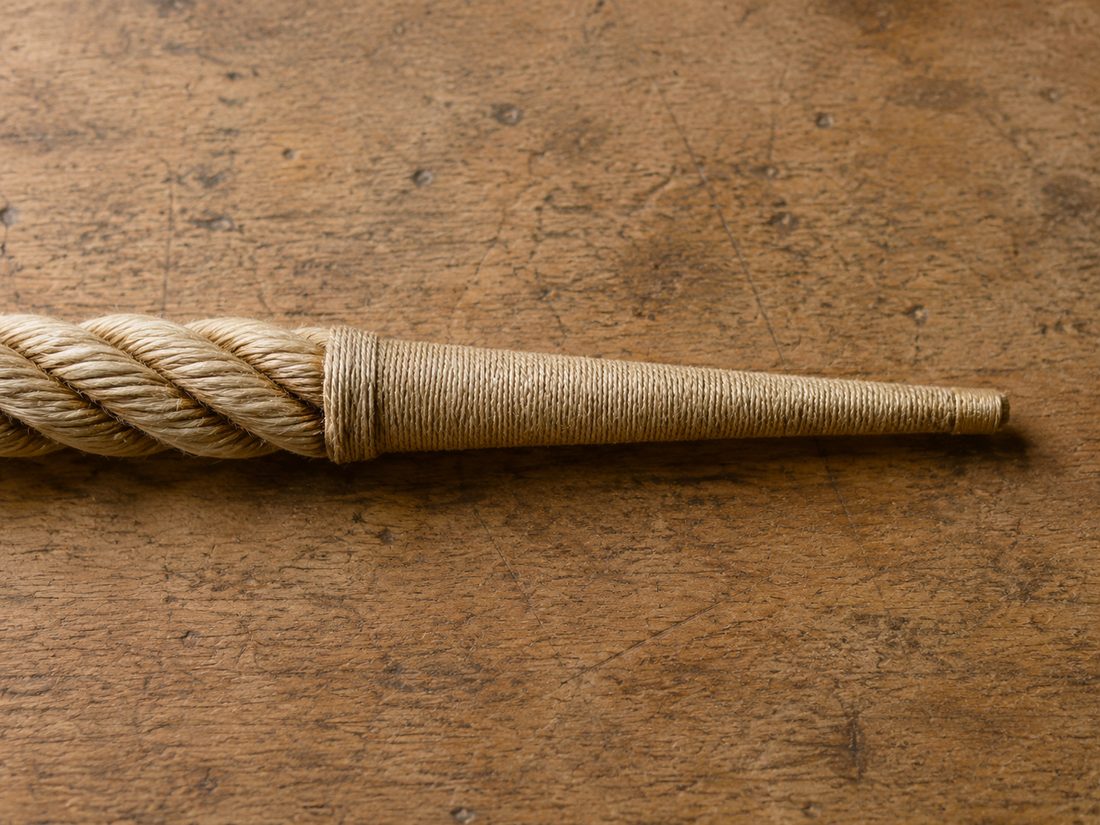
A whipped rope end is blunt and often too fat to pass through the block it has to reeve through. Pointing tapers the end instead, and covers the taper in a woven sleeve made from the rope's own yarns. Sailors did it as a matter of course and almost nobody writes it down now.
Materials
- A length of three strand rope, natural fiber if you have it
- Sail twine or thin string
- A sharp knife
- Beeswax for the twine, if you have some
Steps
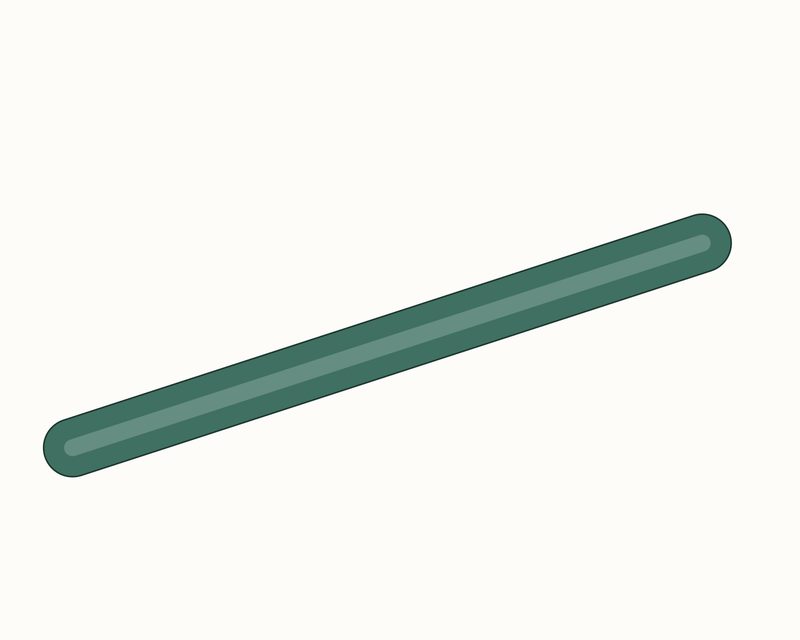
Start with the rope end
Any three strand rope will do, and natural fiber is easier to learn on than synthetic. Decide how long the point should be. About four times the thickness of the rope is a good first try.
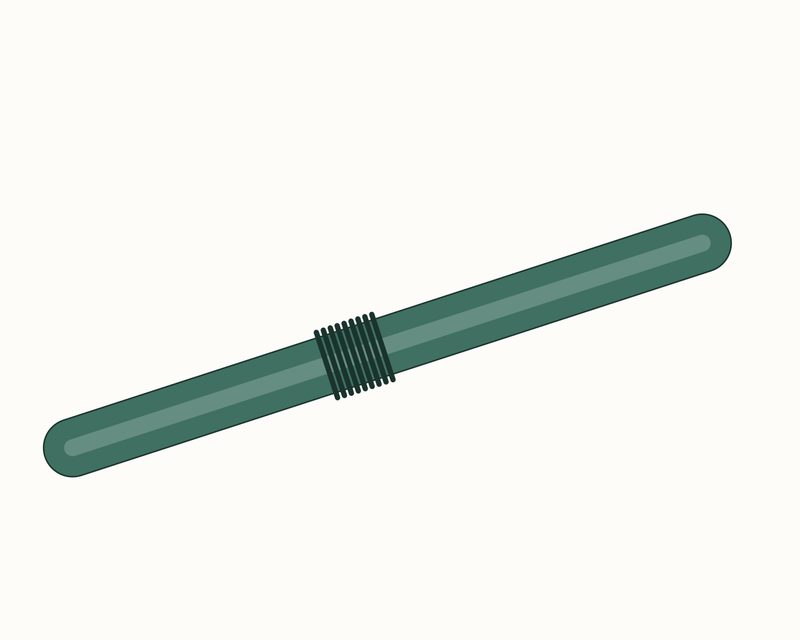
Whip the rope where the point will begin
Put a tight whipping around the rope at the place you chose. Everything below this holds the rope together while you take the end apart above it. A loose whipping here will let the lay run and the job is lost.
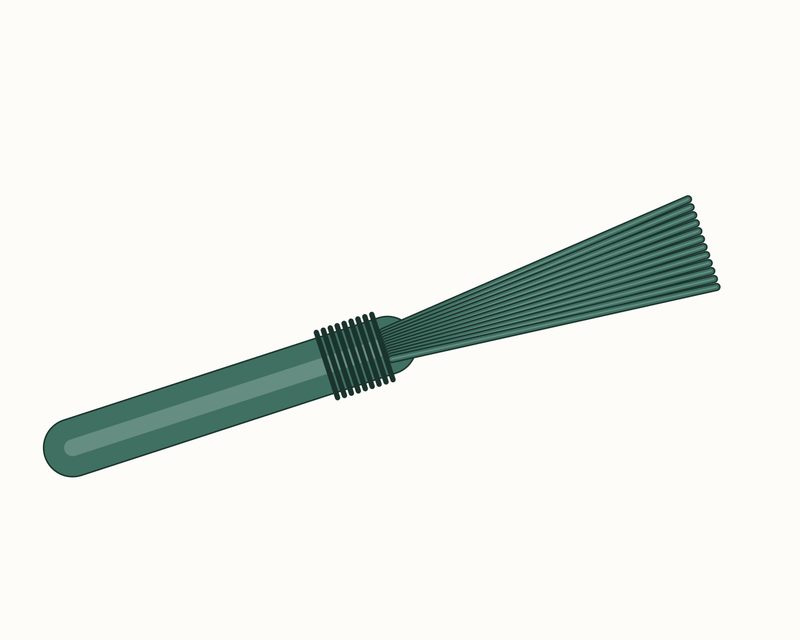
Unlay the end into its yarns
Above the whipping, untwist the three strands and then untwist those into their separate yarns. Keep them in order as best you can. You should end up with a brush of loose yarns standing out of the whipping. These yarns become the nettles that cover the point.
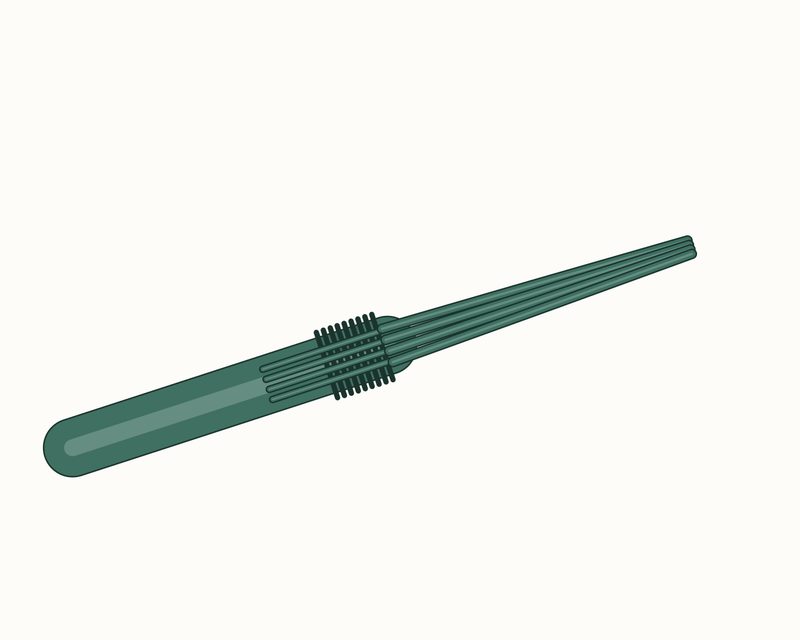
Twist two thirds of the yarns into nettles
Take about two thirds of the yarns. Split each in two, then twist two halves from different yarns together between finger and thumb. Keep the natural lay as you twist. A twisted pair like this is a nettle. Comb the remaining third back down the rope and cut them short.
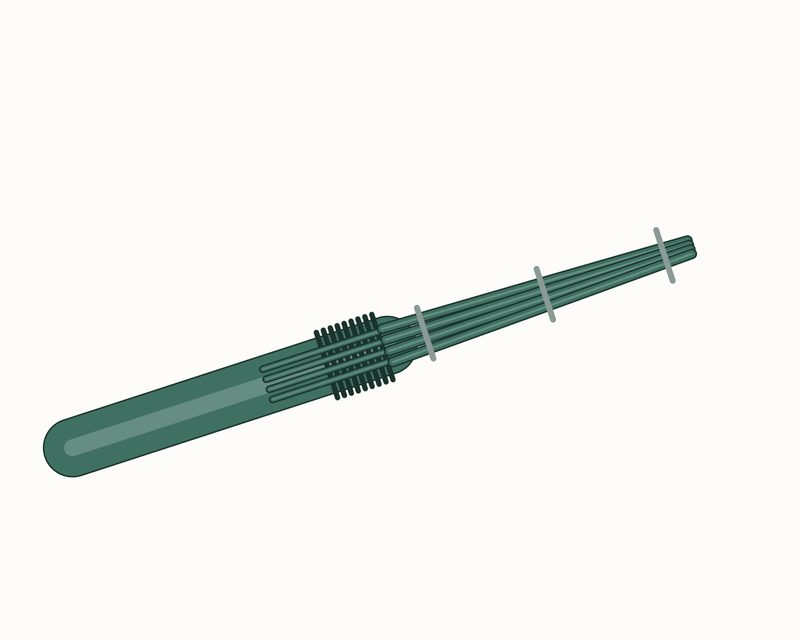
Pass the warp and lay the nettles back and forth
Take your twine and pass three tight turns where the nettles leave the rope. Before each turn, fold half the nettles forward along the taper and leave the others lying back. Alternate which half goes forward on every turn, so each turn traps them the other way.
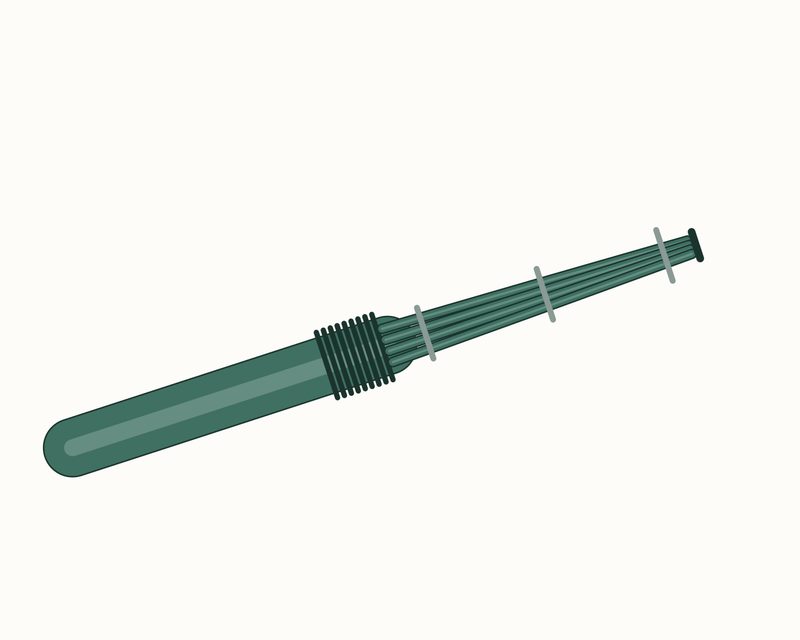
Whip the tip
Carry on until the taper is covered, then finish with a tight whipping at the thin end. Cut the nettle ends off close. The point should now be smooth, tapered, and firm enough to push against.
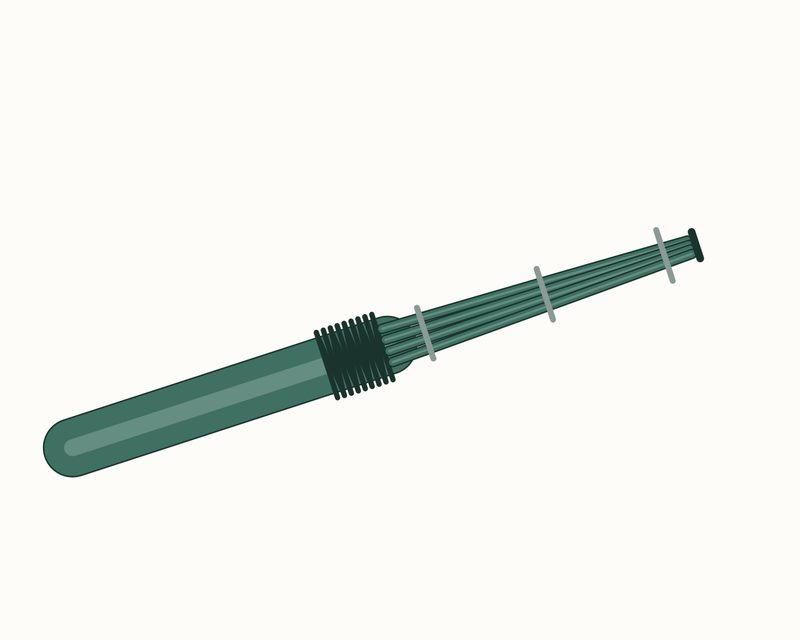
Snake the whipping
Take the working end of the twine. Pass it alternately under and over the outer turns of the whipping, running along its length. This is called snaking. It locks the whipping and it is the mark of a finished job.
Tips
- Wax the twine if you have beeswax. Waxed twine grips itself, so the turns you have already passed do not slacken while your hands are busy with the next one.
- A point is not a repair and it carries nothing. It is there so the end runs sweetly through a block and does not fray. Never treat a pointed end as a place to make anything fast.
- If the rope is thin, sailors would lay a short stick or a few stiff yarns in the middle of the taper. That gives the point some body, so the nettles have something to be pulled down against.
- The old books call the twisted pairs nettles and the binding turns the warp. Those words are worth knowing, because searching them finds the rest of this family of work: grafting, coachwhipping and pointing over an eye.
Sources
Each step in this guide is drawn from facts stated by several of these pages independently. Sources that did not corroborate anything used here are not listed.
- A. Hyatt Verrill, Knots, Splices and Rope Work (1917) gutenberg.org
Leave a comment
Comments are reviewed before appearing. See our Privacy Policy for how your name and message are handled.
Comments
No comments yet.